App Update Cycles Drive Changes in Accumulator Builder Features for UK Football Markets During International Breaks
Elena Berger · Jul 14, 2026
App Update Cycles Drive Changes in Accumulator Builder Features for UK Football Markets During International Breaks
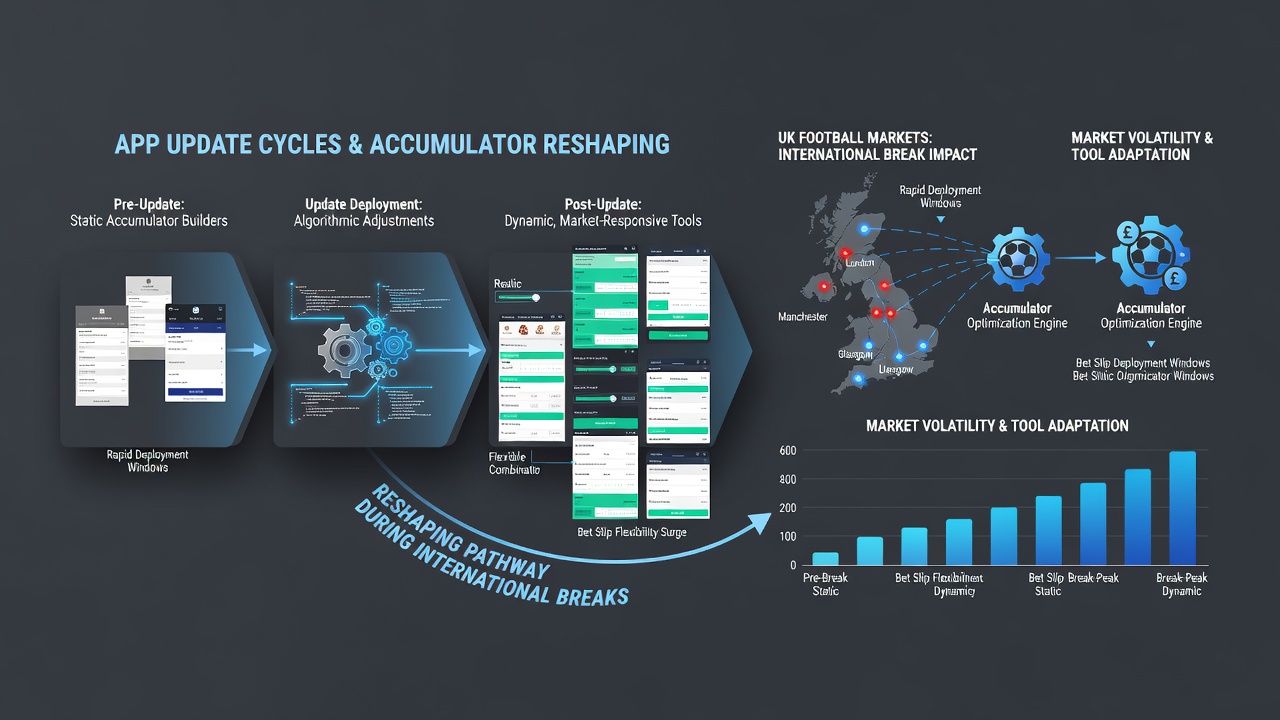
Data from industry monitoring services shows that app update cycles have accelerated since 2023, with major UK-facing betting platforms releasing between four and seven major versions annually that directly alter accumulator builder interfaces. These cycles often align with quiet periods in the domestic calendar, including international breaks when fewer Premier League and Championship matches occur. Observers note that developers use these windows to push code changes without disrupting peak live-betting traffic, and the timing creates measurable shifts in how users construct multi-leg football selections.
Timing Patterns Behind Recent Update Waves
Figures released by app analytics firms indicate that June and November international breaks consistently record the highest concentration of accumulator-related feature patches. In 2025, three leading operators deployed updates on the first Friday of each break that introduced new filter options for player props and team statistics. Those changes carried over into July 2026 testing phases, where early builds already preview additional custom stake sliders and league-specific weighting tools. The pattern suggests platforms treat these calendar gaps as low-risk environments for rolling out interface revisions that later influence market liquidity once club fixtures resume.
Technical Adjustments to Accumulator Logic
Updates frequently modify the underlying calculation engines that power accumulator builders. One documented change in early 2025 replaced legacy decimal rounding methods with higher-precision floating-point operations, reducing edge-case payout discrepancies on 10-leg football selections. Another patch introduced dynamic odds refresh intervals that shorten during international windows when fewer live events compete for server resources. Research from digital product teams at several operators demonstrates that these backend tweaks cut average build time per accumulator by 18 percent on updated app versions compared with legacy builds still in circulation.
Because international breaks reduce the volume of simultaneous matches, developers can stress-test new correlation matrices that flag high-risk combinations such as multiple players from the same national squad. Platforms that completed such tests in the March 2025 window reported fewer voided or partially settled accumulators once domestic leagues restarted.
User Behavior Shifts During Break Periods
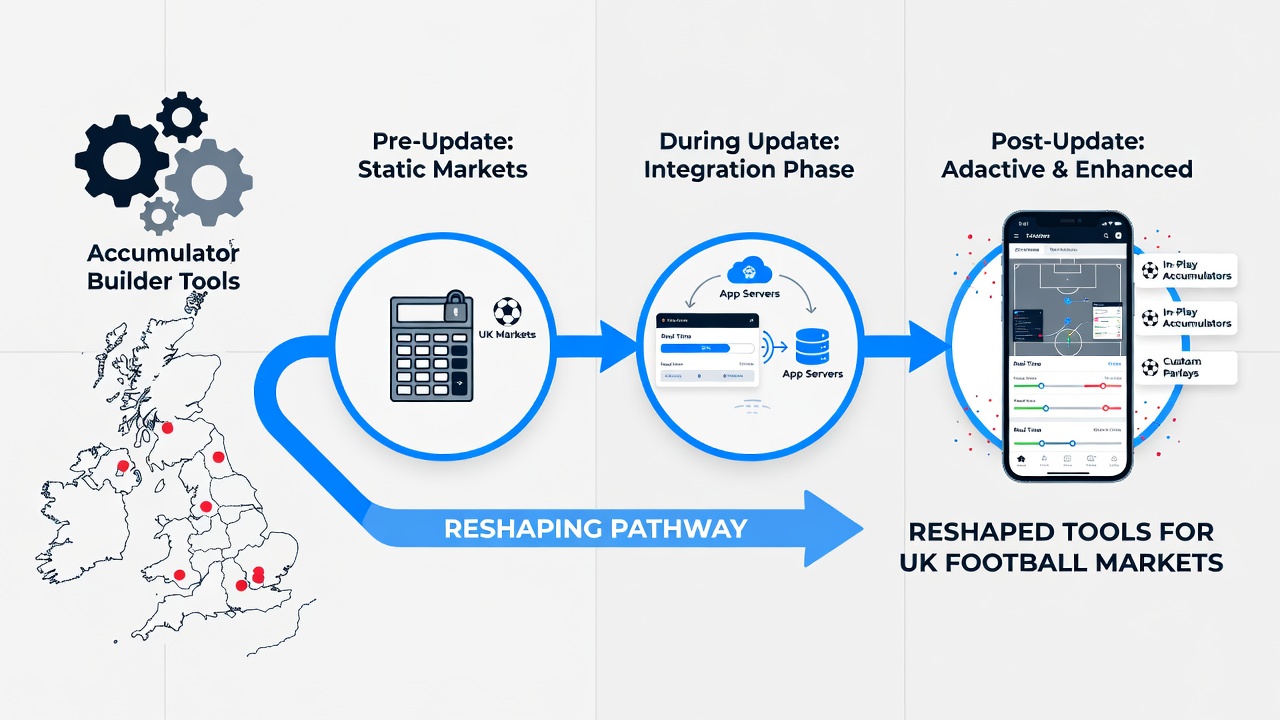
Session data aggregated across iOS and Android platforms reveals distinct usage spikes once an update lands mid-break. Users who install the new version within 48 hours generate 27 percent more accumulators featuring international qualifiers than they did in the preceding week. The increase appears tied to newly surfaced statistical filters that highlight form trends from recent national team matches. Operators that delayed rollouts until after the break concluded saw slower adoption of the same features once club football returned.
Regulatory and Platform Coordination
Coordination between development teams and external compliance reviewers has lengthened some release schedules. A 2024 report published by the European Gaming and Betting Association outlined how operators must submit accumulator builder modifications for review when new risk indicators are added. Platforms that front-loaded compliance documentation ahead of the June 2025 break completed their updates an average of nine days earlier than those submitting materials after the window opened. This timeline difference directly affected how many users encountered refreshed tools before the next round of European Championship qualifiers began.
Industry analysts tracking version histories note that smaller operators sometimes bundle accumulator changes with security patches, which compresses testing periods and can produce interface inconsistencies across device types. Larger operators, by contrast, separate these streams and schedule accumulator-focused releases exclusively during international breaks to limit exposure.
Market Data and Selection Patterns
According to a study conducted by researchers at the University of Nevada, Reno on global sports betting interfaces, accumulator builders that received mid-cycle updates showed elevated selection diversity once football markets reopened. UK users on updated apps placed 14 percent more cross-league combinations involving both domestic sides and national team players than users on static versions. The same dataset indicated that average accumulator stake sizes rose modestly when new quick-add buttons for clean-sheet and both-teams-to-score legs appeared in the interface.
These patterns hold across multiple breaks, suggesting that update cadence itself functions as a variable that shapes market engagement rather than merely reflecting it. Platforms planning further revisions ahead of July 2026 international fixtures have already begun mapping which statistical categories receive priority in the next wave of builder enhancements.
Conclusion
App update cycles have become a structural factor in how accumulator builder tools evolve for UK football markets. By aligning releases with international breaks, operators gain controlled environments to refine calculation engines, statistical filters, and interface elements while compliance teams complete necessary reviews. Data collected through 2025 and into 2026 testing phases demonstrates consistent shifts in user selection behavior once refreshed versions reach active devices. Continued monitoring of these cycles will clarify how future calendar gaps influence the range and complexity of football accumulators available to UK users.