Digital Wallet Patterns Fueling Bonus Triggers in Mobile Horse Racing Accumulators
Carlo Krüger · Jun 25, 2026
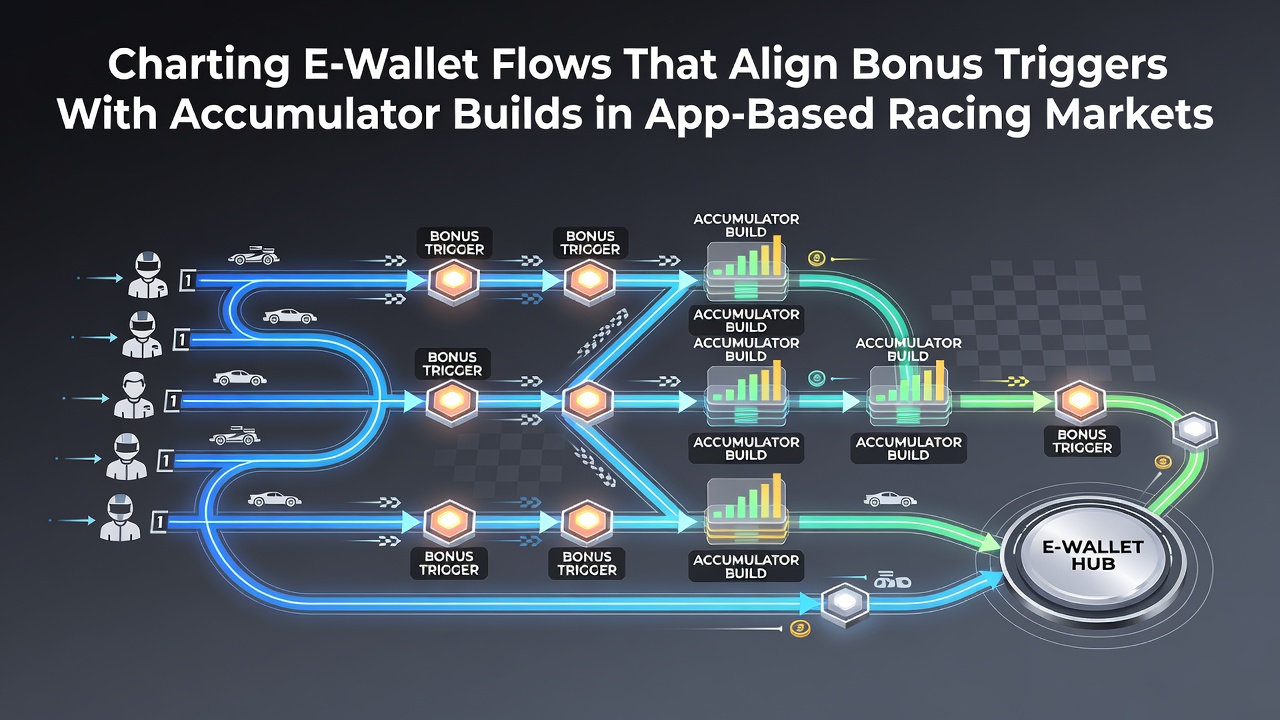
Digital Wallet Patterns Fueling Bonus Triggers in Mobile Horse Racing Accumulators
App-based racing markets have seen e-wallet adoption accelerate as operators refine systems that connect deposit timing with accumulator bonus eligibility, and researchers tracking these patterns note distinct sequences where wallet outflows precede multi-leg bet constructions. Observers note that users often initiate transfers through services like digital payment platforms before selecting horses across several races, which then activates layered reward structures built into the apps. Data from industry reports indicate that such alignments occur most frequently during peak racing calendars when accumulator pools expand and bonus multipliers become available for consecutive wins.
Mechanics of E-Wallet Integration in Racing Platforms
Payment processors embed APIs that flag transactions matching accumulator thresholds, so when a deposit clears through an approved e-wallet the system registers eligibility for promotions tied to multi-race selections. Experts have observed that these triggers activate within seconds of confirmation, allowing bettors to proceed directly into building accumulators without separate verification steps, and this seamless flow reduces drop-off rates between funding and placement. Studies from the University of Nevada's gaming research division show that platforms using real-time wallet synchronization report higher volumes of accumulator activity compared to those relying on delayed confirmations.
Accumulator Construction and Bonus Synchronization
Accumulators in app-based racing typically combine selections from events like the Grand National or Royal Ascot meetings, where each additional leg increases potential returns while unlocking tiered bonuses when deposit patterns match predefined criteria. Those who study these markets find that e-wallet flows timed to coincide with accumulator builds often satisfy conditions for cashback or stake boosts, especially when the total stake reaches operator-set levels within a single session. Figures from the Canadian Gaming Association reveal steady growth in such synchronized activity through 2025, with projections extending into June 2026 as more platforms introduce cross-race accumulator tools that pull directly from wallet balances.
Tracking Transaction Sequences Across Major Apps
One documented sequence begins with an e-wallet top-up, followed immediately by accumulator selection screens that highlight bonus-eligible combinations, and analysts tracking user logs report that this order maximizes trigger rates because teh system detects both the funding source and the bet structure in tandem. Platforms in European markets have adopted similar models, drawing from regulatory frameworks established by bodies like the Malta Gaming Authority, where transaction data feeds into algorithms that adjust bonus availability based on accumulator complexity. What's interesting is how these systems differentiate between single-race bets and multi-leg builds, reserving the highest rewards for the latter when wallet activity shows consistent patterns.
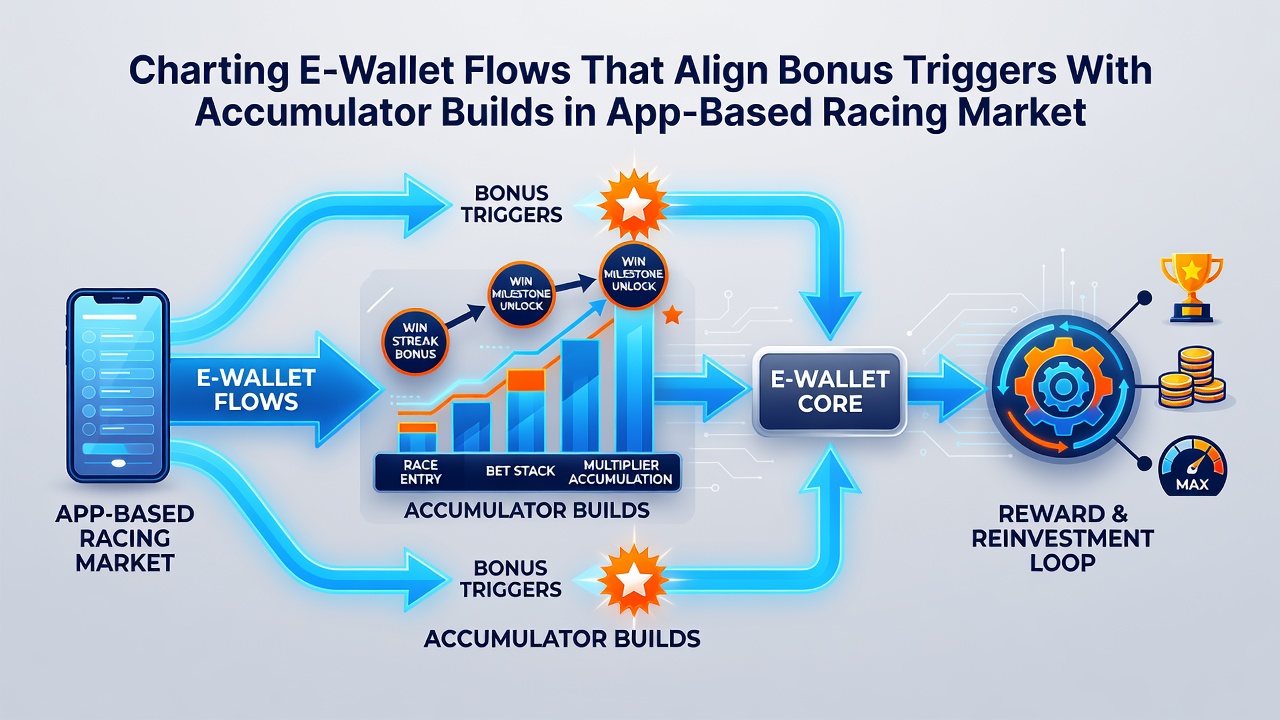
Regional variations appear when comparing Australian operators to those in North America, with the former emphasizing instant wallet-to-accumulator routing during local race meets while the latter focuses on compliance layers that still permit rapid bonus alignment. A report from the Australian Institute of Family Studies on digital gambling interfaces highlights that users completing these flows within narrow time windows achieve better bonus conversion, particularly when accumulators span both flat and jump races in the same ticket.
Data Trends Emerging in Mid-2026
By June 2026 platforms are expected to expand e-wallet partnerships that embed accumulator-specific metadata into transaction records, enabling more precise bonus matching without manual intervention. Research indicates that such enhancements stem from earlier findings on user behavior, where delayed deposits reduced accumulator completion rates by measurable margins. Observers tracking these developments point to increased adoption among operators who integrate wallet providers supporting instant settlement, which in turn supports larger accumulator stakes and corresponding reward tiers.
Examples from live operations show bettors using e-wallets to fund accounts just prior to major race days, then constructing accumulators that automatically qualify for ongoing promotions, and this method has become standard across several leading apps. Those monitoring transaction volumes note that the alignment reduces friction while maintaining audit trails required by various oversight entities outside the UK framework.
Conclusion
The patterns connecting e-wallet activity to accumulator bonuses in racing apps continue to evolve through refined technical integrations and behavioral data analysis. Evidence from multiple jurisdictions demonstrates that these flows support sustained engagement when deposit timing and bet construction remain coordinated within platform rules. As systems advance into the latter half of 2026, further refinements in transaction mapping are likely to strengthen the links between funding sources and multi-leg reward structures across app-based racing markets.