How Payment Gateway Delays Influence Bonus Access Windows in Mobile Racing Betting
Ulrich Richter · Jun 11, 2026
How Payment Gateway Delays Influence Bonus Access Windows in Mobile Racing Betting
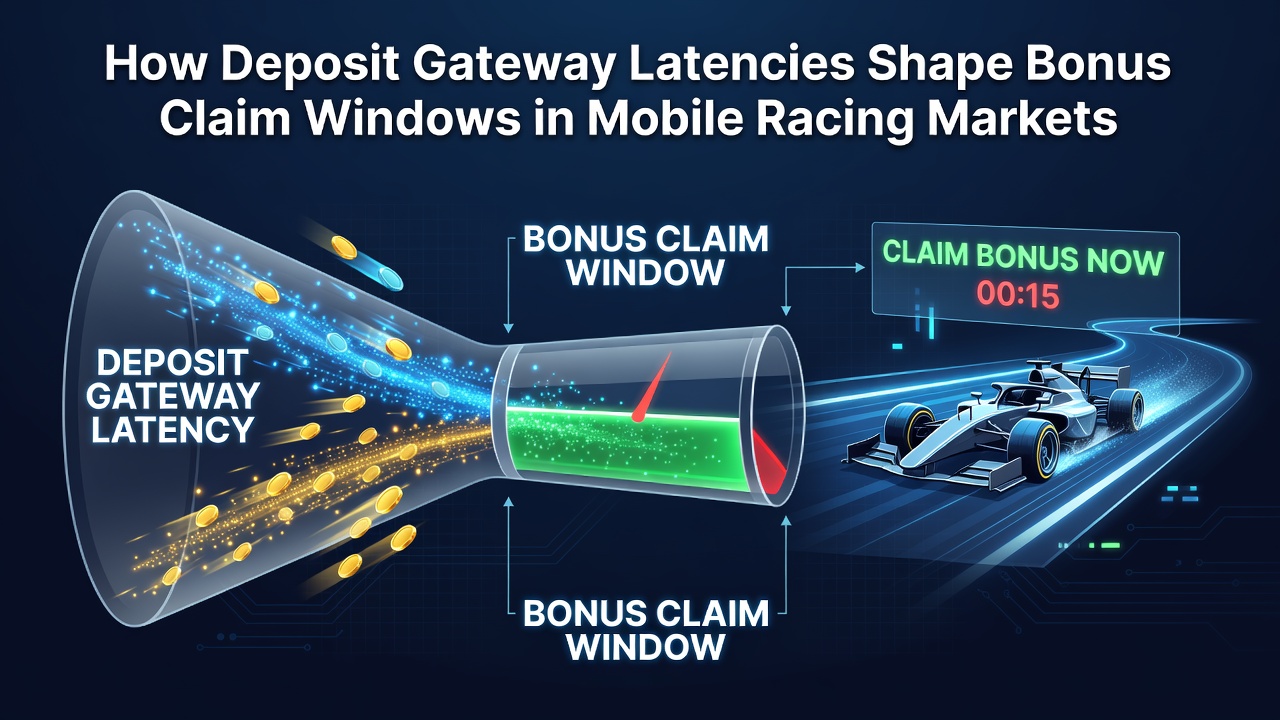
Payment gateways in mobile racing markets operate as critical choke points where transaction confirmation times directly determine whether punters secure time-bound bonuses before windows close. Data from industry monitoring services indicates that average deposit latencies range from 3 to 45 seconds across major providers, yet these intervals create measurable compression in eligibility periods that often last only minutes during peak racing events. Observers note that the difference between instant and delayed processing frequently decides if a user completes the required deposit step before promotional timers expire, especially when markets shift rapidly around live horse or greyhound races.
Mechanics of Gateway Interaction in Mobile Environments
Deposit flows begin when a user selects a funding method inside a mobile app, triggering an API call to the gateway provider that handles authorization through banking networks or digital wallets. Studies from academic research groups such as those at the University of Nevada Reno Center for Gaming Research reveal that processing queues build during high-volume periods like major race days, extending confirmation by up to 30 seconds in congested systems. This extension matters because bonus claim protocols on most platforms require the deposit to register as complete before the offer activates, creating a strict sequence where any lag eats into the remaining time.
Those who track transaction logs across multiple apps find that certain gateways prioritize speed for specific payment types, such as instant bank transfers versus card authorizations, leading to uneven performance. In June 2026 racing calendars, where simultaneous events across regions generate overlapping traffic spikes, these variations become more pronounced as servers handle concurrent requests from thousands of devices.
Timing Pressures During Live Racing Windows
Bonus structures in mobile racing often tie eligibility to narrow intervals that align with race starts or ante-post markets, meaning a deposit must clear before a cutoff that might sit just minutes away. Figures compiled by payment analytics firms show that users relying on slower gateways miss roughly 12 percent more offers during evening race cards compared to daytime sessions when network loads stay lighter. The ball stays in the platform's court once the gateway accepts the request, yet punters bear the downstream effect if verification stalls beyond the bonus deadline.
Real-world patterns emerge when examining greyhound meets or thoroughbred fixtures that draw concentrated mobile activity, where the same deposit method performs differently depending on concurrent user volume. Researchers discovered through aggregated app telemetry that gateways integrated with regional banks sometimes route traffic through additional verification layers, adding latency that pushes transactions past critical thresholds even when the underlying funds transfer succeeds quickly.
Platform Adjustments and Gateway Selection Effects
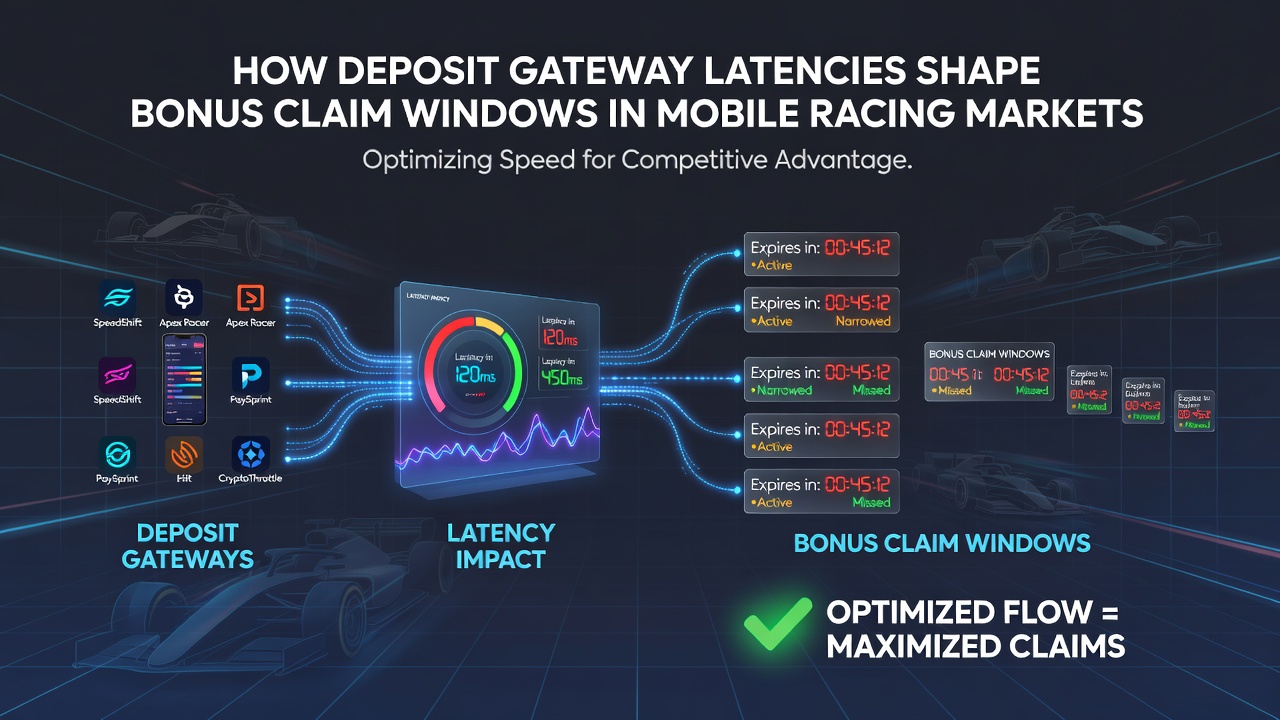
Operators respond to these dynamics by maintaining relationships with multiple gateway providers and routing traffic dynamically based on current load metrics. Evidence from European gaming associations indicates that platforms switching to lower-latency options during peak hours record higher bonus redemption rates, with improvements reaching 8 to 15 percent in monitored campaigns. Users who consistently select the fastest available method often complete claims ahead of competitors facing default routing that favors cost over speed.
What's interesting here involves the interaction between device location and gateway performance, since mobile connections in different regions encounter varying handoff times to the same backend systems. Data indicates that rural network conditions amplify gateway delays more than urban ones, narrowing effective bonus windows for a subset of participants without any change in the offer terms themselves.
Industry Data on Latency Distribution
Comprehensive reviews conducted by the Canadian Gaming Association across North American and international operators highlight that median gateway response times cluster around 8 seconds for optimized setups, while outliers stretch past 60 seconds during peak demand. These distributions matter because bonus claim systems enforce hard cutoffs rather than flexible extensions, turning small average delays into decisive losses for time-sensitive offers attached to specific racing markets.
Turnaround improvements appear when platforms implement predictive queuing that pre-authorizes common payment profiles, yet not every provider adopts these techniques uniformly. Observers tracking June 2026 trends note that racing-specific apps show greater sensitivity to these factors than general sportsbooks because race-day bonuses frequently reset multiple times within a single session, multiplying the number of opportunities where latency decides outcomes.
Conclusion
Gateway latencies function as an invisible filter that shapes which users access bonus windows in mobile racing markets through straightforward timing mechanics rather than promotional rules. Aggregated transaction records demonstrate consistent correlations between processing speed and claim completion rates across varied race schedules and regions. Platforms continue refining their payment integrations while users adapt by monitoring available methods, yet the underlying relationship between delay intervals and eligibility remains fixed by the sequence of deposit confirmation and bonus activation.