How Platform Refresh Schedules Dictate Accumulator Tool Availability in Licensed Markets
Elena Berger · Jun 9, 2026
How Platform Refresh Schedules Dictate Accumulator Tool Availability in Licensed Markets
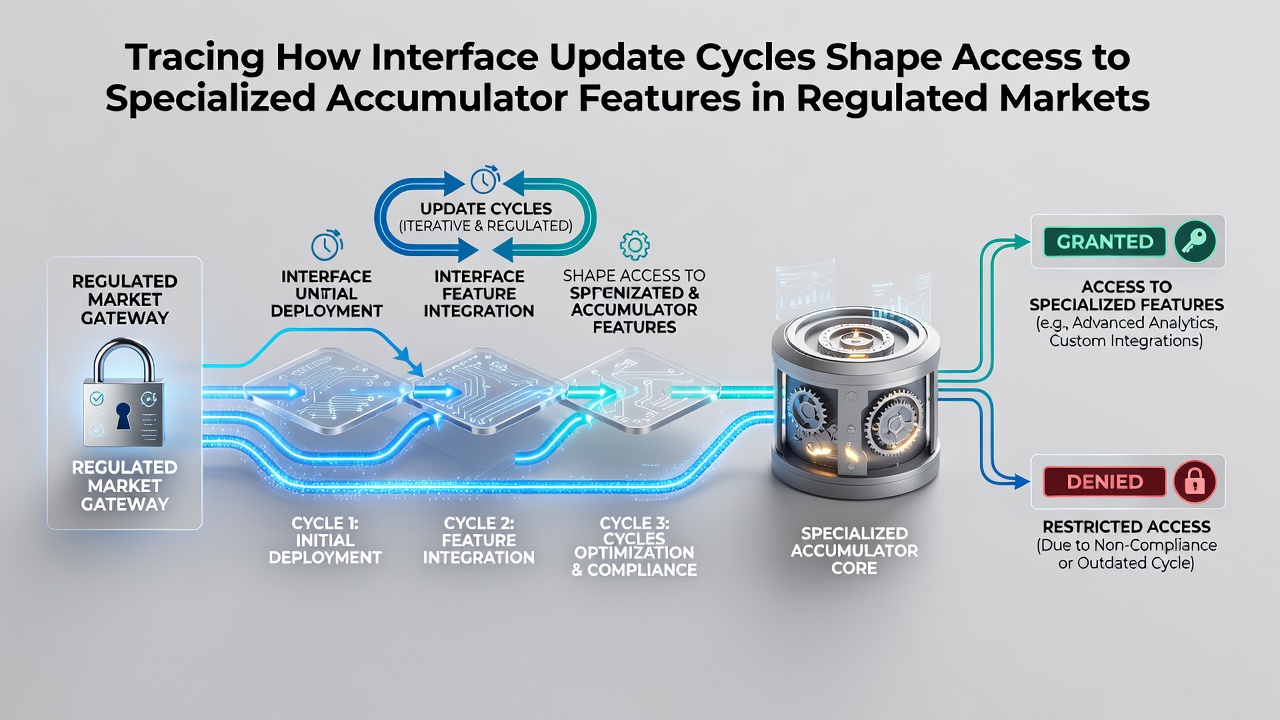
Platform operators in regulated betting environments coordinate software refresh schedules with compliance teams, and these timelines directly determine when specialized accumulator features become visible to users across different jurisdictions. Accumulator tools that combine multiple selections with conditional bonuses or enhanced payout multipliers require specific interface elements, yet those elements only activate after designated update cycles complete their testing phases. Data from market monitoring services shows that operators typically bundle such features into quarterly releases rather than immediate patches because regulators demand verification of fairness algorithms before deployment.
Update Cycle Mechanics and Feature Gating
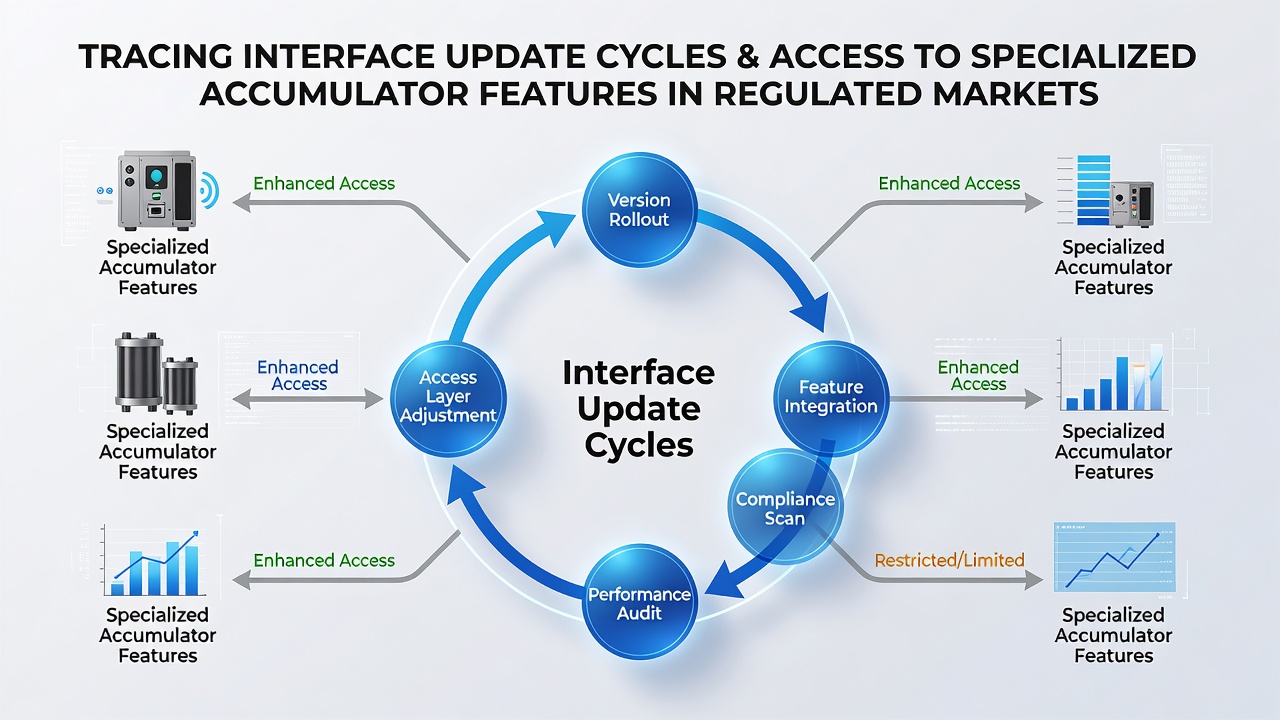
Development teams structure interface updates around three main stages including internal quality assurance, external regulatory review, and staged user rollout, while accumulator features often sit behind the regulatory review gate. This means a new multi-leg betting builder that supports conditional cash-out or boosted odds on specific sports remains inaccessible until the full cycle finishes, even if the underlying code exists on servers. Observers note that delays in one region can push global availability by weeks because companies maintain unified codebases to reduce maintenance costs. Those who've tracked release notes from major operators find that June 2026 updates in several markets introduced accumulator customization panels only after prior quarter compliance sign-offs cleared the way.
Regional Regulatory Influences on Timing
Regulators in North America and the Asia-Pacific region apply distinct verification protocols that affect how quickly accumulator enhancements reach end users. The Nevada Gaming Control Board requires detailed documentation of payout algorithms before any interface change affecting bet construction tools, whereas the Australian Communications and Media Authority focuses on consumer protection disclosures embedded within the updated screens. Research from the University of Nevada's gaming studies program indicates that these staggered approval windows create predictable access gaps, with North American users sometimes waiting up to six weeks longer than counterparts in markets with streamlined digital submission processes. Operators therefore prioritize accumulator features in regions where approval timelines align with their internal sprint schedules to maximize simultaneous launches where possible.
Technical Constraints and User Access Patterns
Interface updates frequently involve changes to navigation menus, bet-slip layouts, and conditional display logic that control whether accumulator options appear for particular user segments. Mobile applications push these changes through app store reviews that add further calendar constraints beyond regulatory checks, so specialized features like accumulator insurance or partial cash-out toggles can remain hidden from view until both the platform cycle and store approval conclude. Figures from industry tracking firms reveal that users on older app versions often miss new accumulator variants entirely until they manually update, creating uneven access even within the same regulated market. This versioning effect becomes especially pronounced when operators introduce region-specific accumulator rules tied to local tax calculations or responsible gambling prompts that must display correctly on every supported device.
Payment method integrations and identity verification flows also tie into these cycles because some accumulator bonuses activate only after successful deposits through approved channels. Updates that refine these flows can therefore gate bonus eligibility for accumulators until the new interface elements stabilize across all supported operating systems. Those monitoring user forums report recurring questions about missing accumulator options that resolve only after individuals complete pending application updates prompted by the operator.
Industry Responses and Forward Planning
Companies now publish advance notices of interface update windows on their compliance portals, allowing affiliates and power users to anticipate when accumulator tools will expand or change. This practice emerged after several high-profile instances where early access to enhanced accumulator builders created temporary competitive imbalances between platforms operating under different regulatory calendars. Trade associations representing licensed operators have begun sharing best-practice timelines that factor in both software development sprints and cross-border approval durations, reducing the frequency of partial feature rollouts. Evidence from recent market reports shows that platforms synchronizing their June 2026 refresh cycles with multiple regulators achieved broader simultaneous availability of advanced accumulator customizations compared with those handling approvals sequentially.
Conclusion
Interface update cycles function as the primary control mechanism governing when specialized accumulator features reach users in regulated markets, because each refresh must satisfy layered technical, legal, and distribution requirements before activation. Operators balance these constraints by aligning development roadmaps with regulatory calendars across jurisdictions, which produces predictable patterns of feature availability. Users who track version histories and update notifications gain earlier insight into when new accumulator capabilities will appear, while those on delayed versions continue experiencing restricted access until their local cycle completes.