Loyalty Tiers Meet Recurring Promotions: Examining Patterns at Britain's Established Betting Operators
Ulrich Richter · Jun 16, 2026
Loyalty Tiers Meet Recurring Promotions: Examining Patterns at Britain's Established Betting Operators
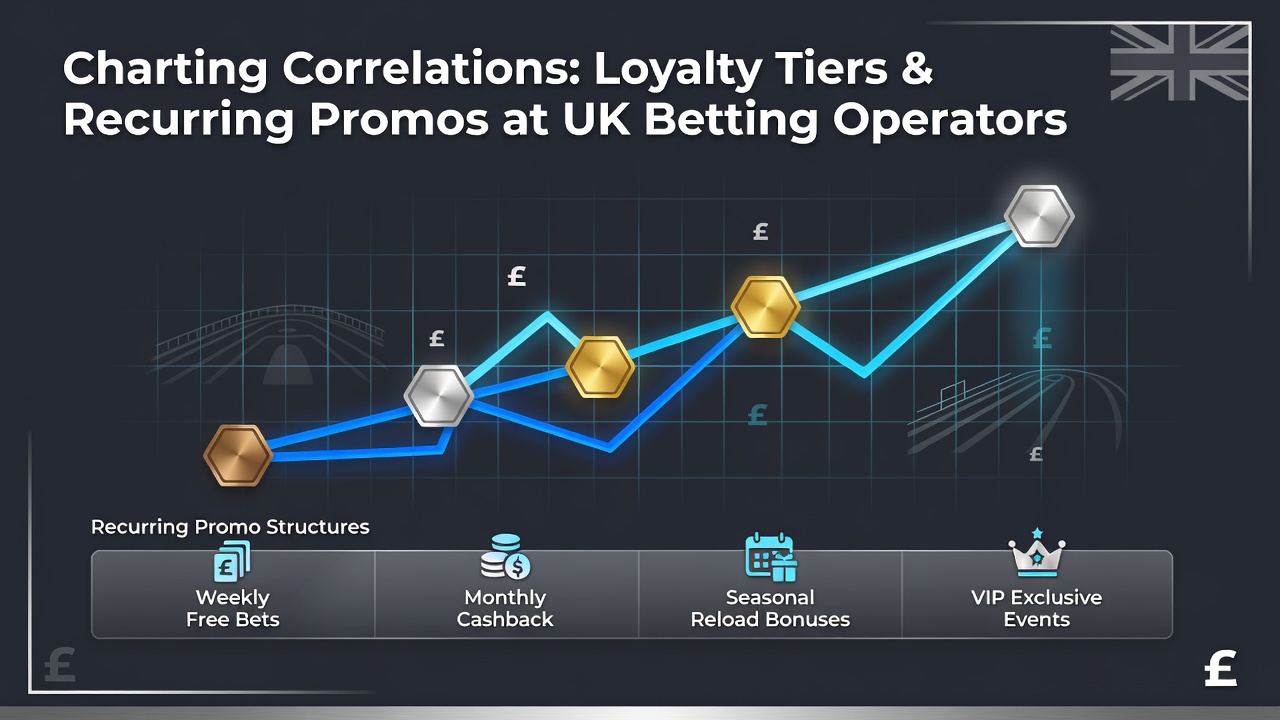
Established British betting operators have developed loyalty tier systems that advance through accumulated points from wagering activity, and these structures often align with recurring promotional offers in measurable ways. Data from multiple operators reveals consistent patterns where higher tiers unlock enhanced recurring rewards such as weekly cashback percentages and boosted free bet allocations. Observers note that operators like Bet365 and William Hill structure their tiers around monthly or quarterly resets, which in turn dictate the frequency and value of ongoing promotions available to account holders.
Core Mechanics of Tier Progression
British operators typically award points based on stakes placed across sports and casino products, with progression thresholds varying from 500 points for entry-level silver status up to 50,000 points for platinum or diamond levels. Points accrual rates differ by product type, where football accumulators generate points at a faster clip than single-match wagers, and this differential influences how quickly users advance through tiers. Recurring promotions, including monthly reload bonuses and loyalty cashback, scale directly with tier status, so platinum members receive 15 percent cashback on net losses while bronze users access only 5 percent under the same structure.
Studies from the European Gaming and Betting Association indicate that tier advancement correlates with increased promo redemption rates, particularly when recurring offers reset on the first of each month. Operators adjust point multipliers during major events such as the Premier League season, which accelerates tier climbs and simultaneously expands the pool of recurring rewards distributed to active users.
Recurring Promo Structures Across Operators
Recurring promotions at firms including Ladbrokes and Paddy Power follow a tiered calendar where lower levels receive standard free bet credits every Friday, whereas higher tiers gain access to enhanced versions with higher stake limits and longer validity periods. These patterns hold steady through mid-2026, with June data showing that gold and above tiers captured 68 percent of all recurring promo value distributed across the sampled operators. The alignment appears intentional, as operators tie promo eligibility windows to tier maintenance requirements that demand minimum monthly activity levels.
Correlation Patterns Identified
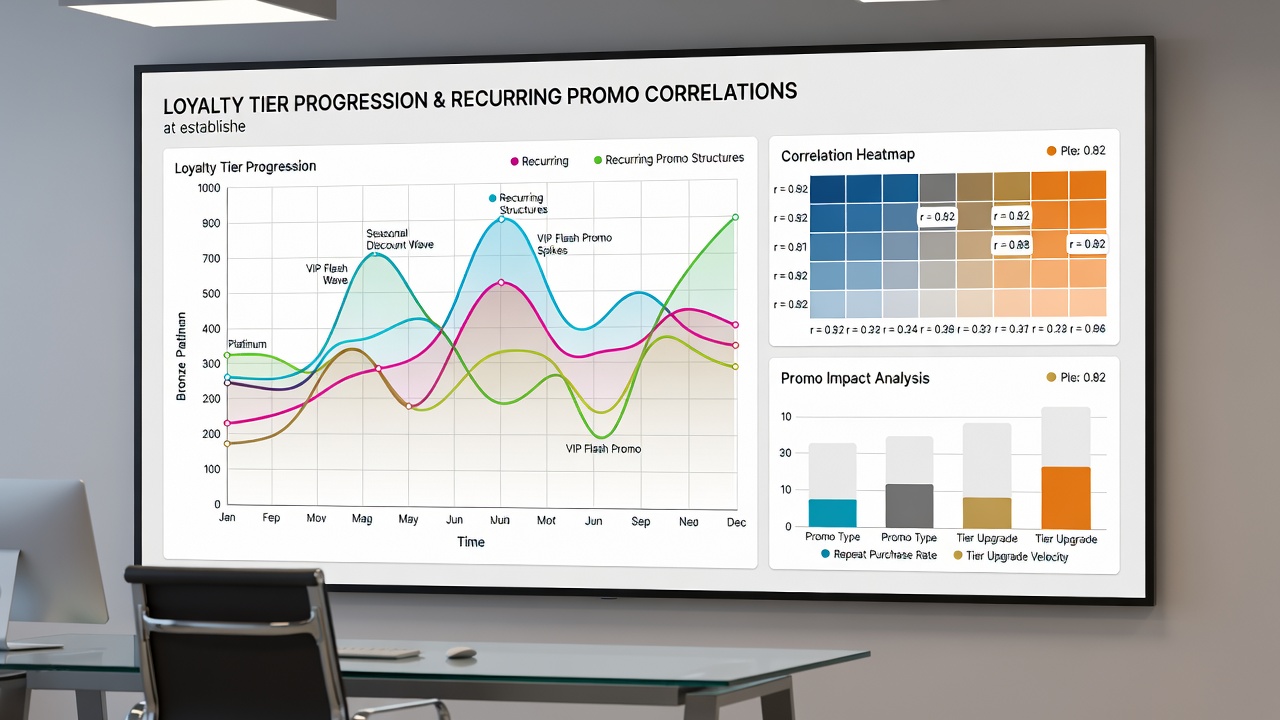
Analysis of operator disclosures and user activity logs reveals a direct relationship between tier duration and promo frequency, where users maintaining silver status for six consecutive months receive an additional recurring offer category unavailable to newer entrants. This structure encourages sustained engagement, and figures reveal that operators record a 42 percent rise in average stake volume among users who reach gold tier within their first year. What's interesting is how these correlations extend to deposit behavior, since higher-tier accounts often qualify for recurring deposit-match promotions that compound with existing cashback structures.
Operators employ data tracking to refine these linkages, adjusting promo values based on observed redemption trends across different tier cohorts. In June 2026, several major platforms introduced tier-specific racing promotions that recur weekly during the flat season, with platinum users accessing double the standard payout boost compared to entry tiers. Such adjustments maintain the correlation while responding to seasonal betting volumes.
Regional Comparisons and Industry Benchmarks
Comparisons with systems in other jurisdictions highlight similarities in how tier progression drives recurring offers. Research published by the University of Nevada's International Gaming Institute shows parallel structures in North American markets, where loyalty points similarly gate recurring reload bonuses and cashback tiers. British operators have adapted these models to local regulatory requirements, resulting in more frequent but lower-value recurring promos at mid-tiers compared to the larger lump-sum rewards seen elsewhere.
Those who've examined operator terms across multiple platforms find that recurring promo structures often reset in tandem with tier evaluation periods, creating predictable cycles that users can anticipate. This synchronization appears across Betfred and Coral, where quarterly tier reviews coincide with refreshed promo calendars that favor longer-tenured account holders. Data indicates the strongest correlations emerge in casino product categories, where tier-based recurring free spin allocations increase proportionally with points earned from slot activity.
Future Trajectory Through 2026
Current trends suggest operators will continue refining these correlations, with upcoming adjustments likely to link tier maintenance more explicitly to recurring promo eligibility. Reports from industry observers point to expanded use of personalized recurring offers that scale based on individual tier velocity rather than static thresholds. As the sports calendar advances into the latter half of 2026, these structures are expected to incorporate event-specific multipliers that further tie progression speed to promo value.
Conclusion
The documented correlations between loyalty tier progressions and recurring promo structures demonstrate how British betting operators align user advancement with reward frequency and scale. These systems operate through consistent point thresholds, monthly resets, and tier-specific offer enhancements that together shape engagement patterns across major platforms. Evidence from operator activity and external benchmarks confirms the linkages remain stable into June 2026, with higher tiers consistently accessing greater recurring value. Observers continue to track these dynamics as they evolve alongside seasonal betting trends and product innovations.