Payout Processing Speeds and Their Influence on Accumulator Strategies in UK Football Seasons
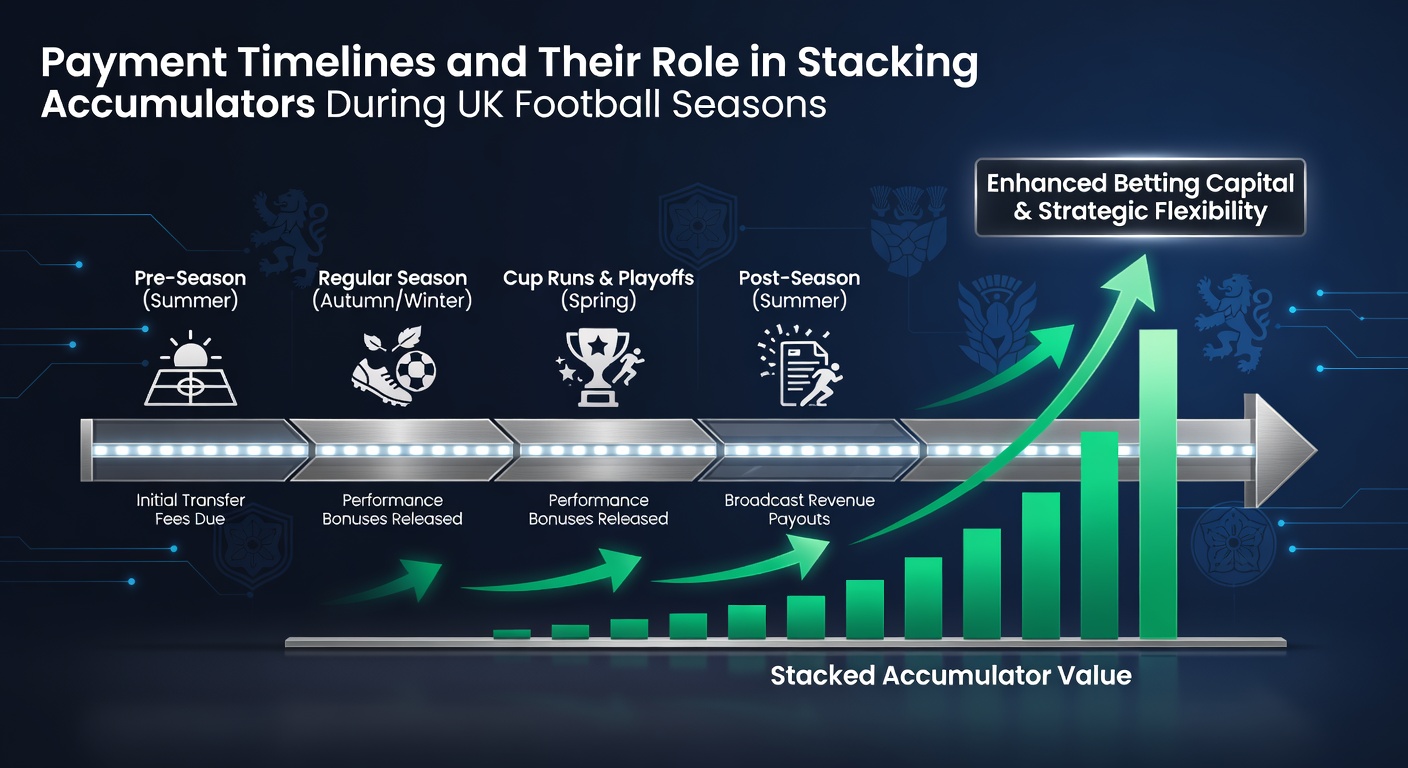
Payment processing timelines play a direct role in how bettors manage accumulator wagers across UK football seasons, where multiple matches unfold over several months from August through May. These timelines determine when funds from successful bets become available for new wagers, creating patterns that shape staking approaches in the Premier League and Championship. Data from industry reports indicates that average withdrawal processing ranges from 24 hours to five business days at major platforms, with faster options tied to specific payment methods such as e-wallets. Bettors who rely on accumulators often time their deposits and withdrawals around match schedules, since football fixtures cluster on weekends and midweek slots during the season.
Payment Methods and Settlement Variations
Different payment systems produce distinct timelines that affect accumulator stacking. E-wallet transactions typically clear within one to two days, whereas bank transfers extend to three or four days according to transaction logs reviewed by researchers at the University of Nevada. Credit card processing sits in between, often requiring verification steps that add one extra day. Those timelines matter because accumulators combine several selections, and a single delayed payout can shift the window for placing the next multi-leg bet. During peak periods like December's fixture congestion, observers note that bettors adjust their payment choices to align with upcoming matchdays.
Seasonal Patterns in Football Accumulator Activity
UK football seasons generate concentrated betting volume around key periods, including the opening weeks in August and the run-in toward May. In May 2026, the final matchweeks coincide with title races and relegation battles, periods when accumulator builders seek rapid fund access to capitalize on shifting odds. Studies from the Canadian Institute for Gaming Research show that payout speed correlates with repeat betting frequency, as quicker returns allow participants to reinvest winnings into new combinations without extended gaps. This dynamic appears most pronounced in leagues where matches occur on consecutive days.
Stacking Mechanics and Timeline Dependencies
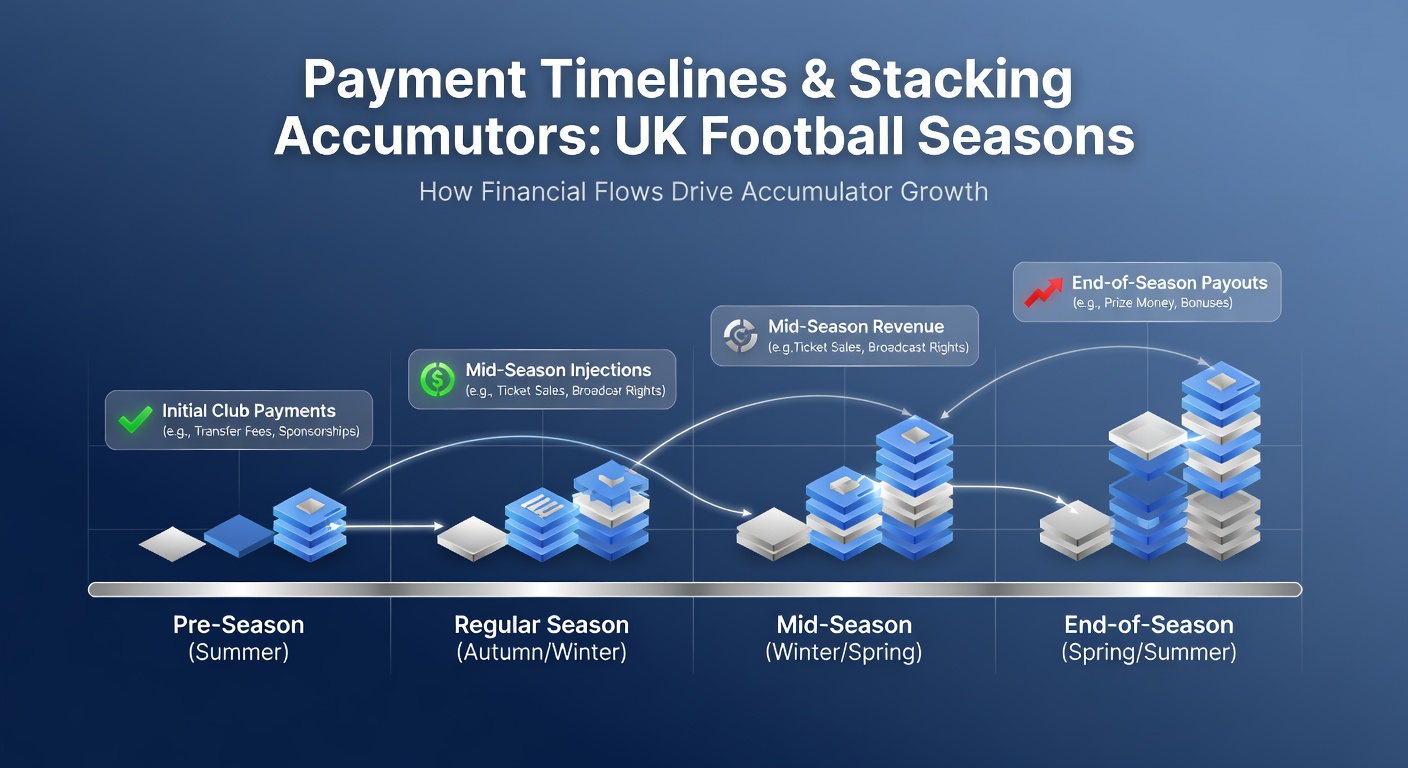
Accumulator stacking involves layering multiple bets either sequentially or in parallel, and payment timelines dictate the feasibility of this approach. When funds arrive promptly, bettors can build fresh accumulators based on updated team news or form trends emerging midweek. Slower processing interrupts that flow, forcing users to wait until the next payout cycle. Australian gambling behavior analyses reveal that platforms offering same-day e-wallet withdrawals record higher volumes of multi-leg football bets during active seasons. The data points to a measurable link between settlement speed and the number of accumulators placed per user over a 90-day period.
Regulatory Context and Platform Practices
Regulatory frameworks in various jurisdictions require operators to disclose estimated payout windows, which helps bettors plan accumulator sequences. Platforms must publish these details in their terms, and independent audits confirm adherence through transaction sampling. In practice, users cross-reference these stated timelines against actual processing speeds reported in user forums and review aggregators. European gaming associations have documented that transparent timelines reduce disputes over delayed funds, particularly during high-volume months when football betting peaks. This transparency supports more consistent staking patterns without abrupt interruptions.
Examples from Recent Seasons
One documented case involved a series of mid-season Premier League matches where rapid e-wallet payouts enabled a group of bettors to place follow-up accumulators within 48 hours of initial settlements. Transaction records showed increased activity on platforms advertising sub-24-hour processing during those weeks. Another instance from the 2025-2026 campaign highlighted how bank transfer delays coincided with a cluster of postponed fixtures, leading users to shift toward faster methods ahead of the May schedule. Observers tracking these shifts noted corresponding changes in average bet sizes as funds became available sooner.
Conclusion
Payment timelines intersect with accumulator strategies throughout UK football seasons by controlling the speed at which winnings recycle into new wagers. Faster processing supports continuous stacking around match schedules, while slower methods create natural pauses that influence overall betting volume. Data from multiple research sources confirms these connections remain consistent across recent campaigns, including the period leading into May 2026.