Smartphone Dashboards Reshaping Live Wager Management for Global Betting Operators
Carlo Krüger · Jun 28, 2026
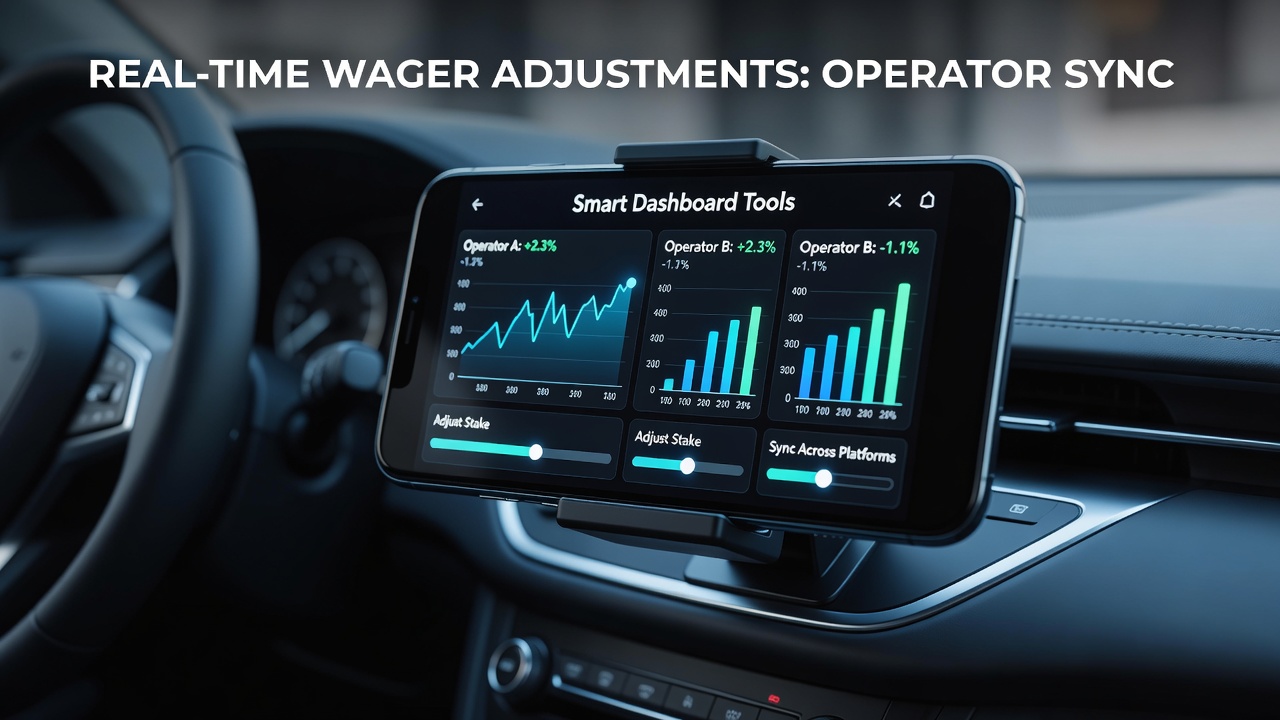
Smartphone Dashboards Reshaping Live Wager Management for Global Betting Operators
Smartphone dashboard tools have integrated directly into operator workflows, allowing staff and automated systems to monitor and modify live wagers without relying on desktop terminals alone. These applications pull data from multiple feeds including odds engines, risk management platforms, and player accounts, then present controls in a single mobile view that updates continuously throughout events. Operators across Europe, North America, and Asia Pacific have adopted such systems since early 2025, with further expansions noted through June 2026 as mobile infrastructure improved in emerging markets.
Core Features Driving Real-Time Adjustments
Modern dashboards combine several modules that operate together rather than as isolated functions. A central risk panel shows exposure levels per market, while an adjacent odds slider permits instant tweaks that propagate across connected platforms within seconds. Push notifications alert supervisors to threshold breaches, and biometric login options reduce the time between alert receipt and action. Data from these tools flows back into central databases, creating audit trails that meet requirements set by various international regulators.
Operators report that integration with existing APIs has become standard practice. One European firm linked its dashboard to legacy sportsbook software in under three weeks, achieving full synchronization for football and tennis markets. Similar implementations in Australia and Canada followed comparable timelines because vendors standardized their connection protocols during 2025.
Regional Adoption Patterns Observed by Mid-2026
North American operators began rolling out smartphone dashboards after regulatory updates in several states permitted expanded mobile operations. Figures from industry tracking show that by June 2026 more than sixty percent of major licensed sportsbooks in the United States and Canada maintained at least one mobile adjustment channel for in-play markets. In contrast, Asian operators focused first on horse racing and esports, where volatility demands faster response times than traditional sports.
European markets moved ahead earlier because cross-border data rules already encouraged unified systems. A study released by the University of Las Vegas Center for Gaming Research in spring 2026 documented that dashboards reduced average adjustment latency from forty-five seconds on desktop systems to under twelve seconds on mobile devices across sampled operators.
Technical Architecture Behind the Tools
Most dashboards rely on cloud-hosted microservices that connect to on-premise risk engines through encrypted channels. Real-time streams arrive via WebSocket connections rather than periodic polling, which keeps battery usage manageable on staff devices. Role-based access ensures that junior analysts can view markets while senior managers alone receive authority to alter high-exposure lines. Security protocols include device fingerprinting and session timeouts that automatically lock after periods of inactivity.
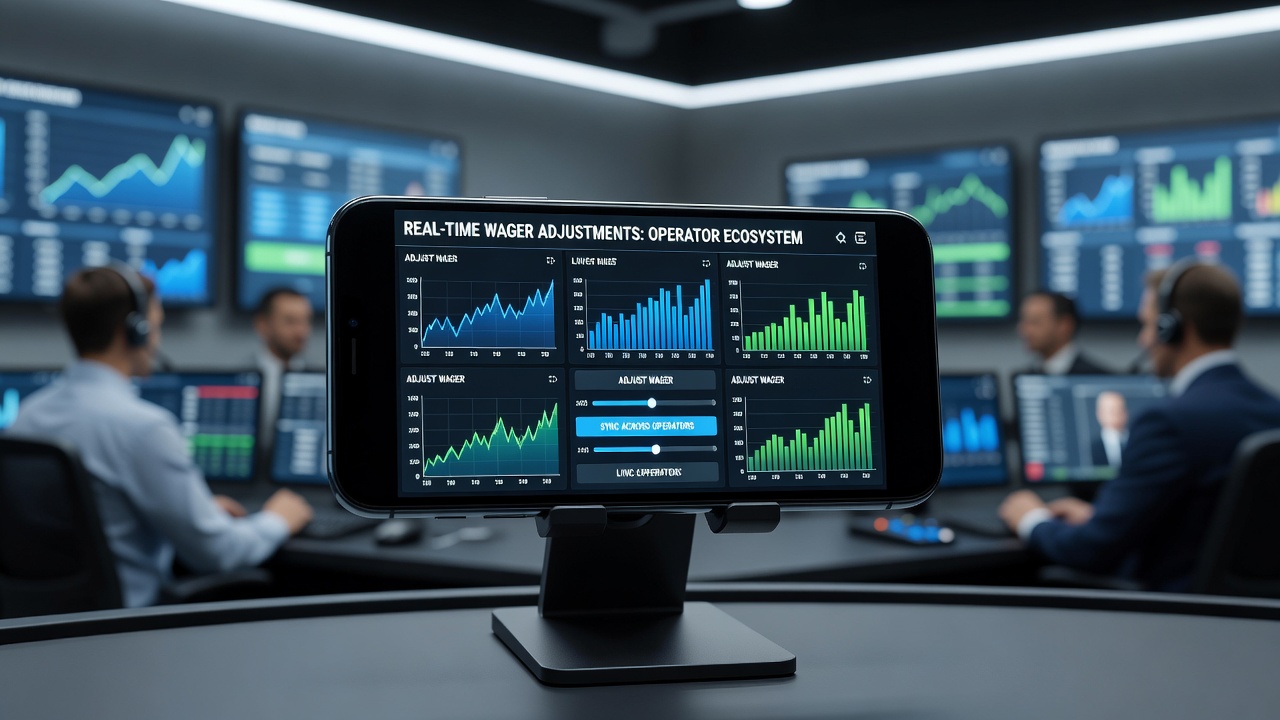
Updates to these systems occur through staged releases that operators test first in limited markets before full deployment. One documented case involved a Canadian operator trialing a new cash-out module across three provinces before extending access continent-wide. The phased approach allowed teams to measure error rates and refine notification thresholds based on actual usage patterns.
Impact on Operational Workflows
Staff schedules have shifted because dashboards enable monitoring from any location with secure connectivity. Supervisors no longer remain tethered to control rooms during major events, instead receiving the same data streams on company-issued smartphones. This flexibility has coincided with reduced hardware costs, as fewer dedicated terminals require maintenance and replacement.
Training programs now emphasize mobile interfaces alongside traditional desktop training. New employees learn gesture-based controls for quick odds changes and voice-command options for hands-free operation during busy periods. Operators note that these sessions typically last two days rather than the week-long courses required for older platforms.
Future Developments Anticipated After June 2026
Developers continue testing integration with wearable devices that could extend dashboard access beyond phones. Early pilots link smartwatches to core risk alerts, allowing glanceable updates without screen unlocking. Machine-learning layers that predict when adjustments will likely be needed are also under evaluation, with initial results shared at industry conferences in early 2026.
Regulatory bodies in multiple jurisdictions have begun drafting guidelines specific to mobile risk tools. These drafts address data retention periods, cross-device synchronization standards, and requirements for human oversight of automated suggestions. Operators anticipate final rules will appear later in 2026, prompting another round of platform updates.
Conclusion
Smartphone dashboard tools have become standard components within operator technology stacks, supporting faster and more distributed real-time wager adjustments. Continued refinement of interfaces, security measures, and regulatory alignment will determine how these systems evolve beyond June 2026. Data collected through current deployments provides the baseline against which future performance gains will be measured.