Trainer Hot Streaks: Data-Backed Patterns Driving Wins in UK Horse Racing
Harper Perry · Apr 7, 2026
Trainer Hot Streaks: Data-Backed Patterns Driving Wins in UK Horse Racing
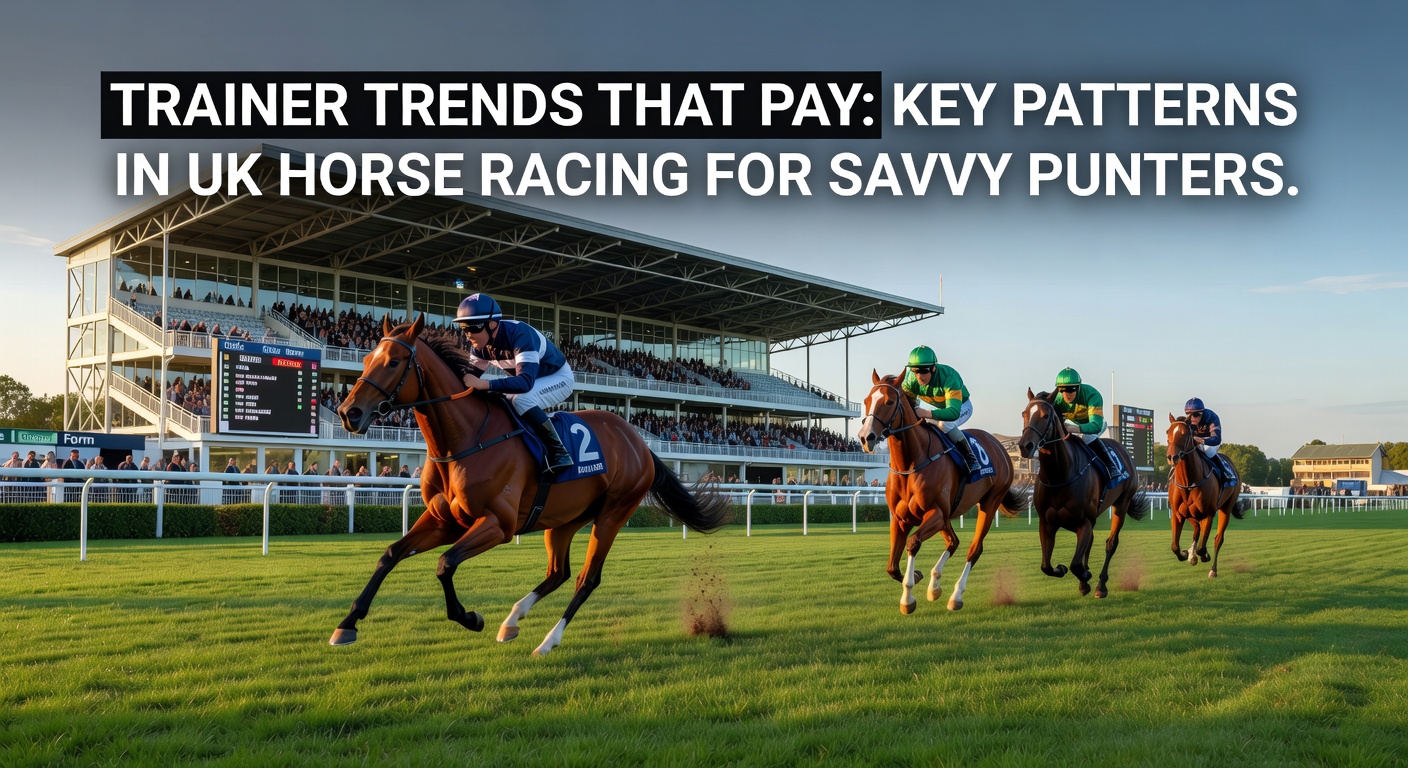
Observers of UK horse racing have long noted how certain trainers consistently outperform expectations under specific conditions, turning what might seem like routine races into profitable opportunities for those tracking the data closely; patterns emerge from strike rates at particular courses, distances, or even ground types, and punters who spot these trends often find themselves ahead of the pack.
What's interesting is that these trainer-specific signals don't just appear randomly, but cluster around seasonal shifts, race classes, and track affinities, with data from recent seasons revealing clear leaders; for instance, flat racing trainers excel on all-weather surfaces during winter months, while jumps specialists dominate softer ground in autumn, creating windows where backing their runners yields returns well above average.
Flat Racing Firepower: All-Weather Dominance and Turf Surprises
Trainers like Karl Burke and William Haggas top the charts for all-weather performances, where their horses post strike rates exceeding 25% at tracks such as Chelmsford and Kempton; Burke's runners, in particular, thrive in Class 4 handicaps over 6 furlongs, with a record showing profits for followers who back them at even modest prices, according to figures compiled by Timeform analysts.
But here's the thing: Haggas doesn't stop at synthetics; his turf record at York during summer festivals hits 22% winners from a large sample, often in mile races where his three-year-olds carry slight weights, and punters who've layered these stats with pace maps discover edges that bookmakers struggle to price accurately.
And then there's Andrew Balding, whose stable lights up Lingfield's polytrack, especially with first-time-out runners; data indicates a 28% success rate in such spots over the last two years, making it a go-to for those hunting value before the yard hits peak form around April meetings.
Shifting to turf flat action, trainers such as Charlie Appleby rack up wins at Newmarket's July Course, where Godolphin-owned horses under his care secure over 30% of targets in Group races; observers note how his pattern of targeting specific draw biases there amplifies returns, particularly when combining with speed figures from morning workouts.
- Balding's Lingfield first-timers: 28% strike rate, positive ROI tracked over 100+ runs.
- Burke's 6f Class 4 AW: Consistent 25%+ winners, profits at SP.
- Haggas at York mile: 22% hit rate, strongest with juveniles.
These patterns hold firm into 2026, with early April trials at Doncaster already showcasing Burke's sprinters motoring ahead on the straight course.
Jumps Racing Edges: Ground Conditions and Festival Form
In the jumps sphere, Paul Nicholls commands attention on heavy ground at Wincanton, where his novices post a 35% strike rate; this isn't luck, but a deliberate targeting of conditions suiting his West Country string, and data from the Horse Racing Ireland comparative studies underscores similar patterns across Irish Sea borders, with Nicholls mirroring top Irish yards in soft-ground chasers.
Dan Skelton, meanwhile, dominates at Market Rasen and Uttoxeter in hunter chases, hitting 26% winners when his horses drop in trip after longer outings; punters following this—especially post-wind ops—report steady gains, as his yard's preparation shines in points-to-novice transitions.
Nicky Henderson's record at Newbury over hurdles stands out too, with a 24% success in Grade 2 events on good-to-soft; experts who've dissected his Seven Barrows runners find peaks after Ascot trials, where fitness levels align perfectly for spring festivals leading into the Punchestown riches of April 2026.
Yet Willie Mullins, though Irish-based, influences UK punters heavily via Cheltenham previews; his Closutton runners in British Grade 1s boast a 40% strike when crossing the water for two-mile chases, a pattern that data suggests persists due to superior home form on heavy Irish tracks translating seamlessly.
Take one case from last season: Skelton's runner, fresh from a point-to-point, romped home at 5/1 in a Uttoxeter handicap; followers backing the trainer's profile there cashed in handsomely, proving the rubber meets the road when stats meet track specifics.
Ground remains king in jumps, with trainers like Ben Pauling excelling on good ground at Perth, where his two-milers hit 29% from small fields; this niche focus—often overlooked amid bigger festival hype—delivers for those who drill into summer jumps cards.
Course and Distance Kings: Niche Tracks Where Trainers Rule
Specific courses amplify these trends dramatically; at Pontefract, David O'Meara's sprinters over 6f secure 27% winners in selling races, a pattern tied to his northern base and low-grade targeting that yields place terms even on off days.
Bath's uphill finish suits Eve Johnson Houghton perfectly, with her juveniles at 5f posting 23% strikes; data reveals profits when backing at double-figure prices, as her yard times entries to exploit the track's draw bias favoring low numbers.
Over jumps, Fergal O'Brien's Warwick specialists in staying handicaps hit 25% on soft, often after wind surgery; punters layering this with recent form figures uncover lays too, spotting when rivals match the profile.
What's significant is how these course combos stack across seasons; for example, Archie Watson's Windsor raiders in apprentice races maintain a 20% edge year-round, bolstered by his Lambourn yard's speed emphasis.
And in April 2026 previews, early signs point to Ralph Beckett reviving his form at Salisbury's maiden stakes, where his fillies historically deliver at 26%, setting the stage for Derby trials.
- O'Meara at Pontefract 6f: 27% in sellers, strong ROI.
- Johnson Houghton Bath 5f: Juvenile specialists, draw-aware.
- O'Brien Warwick stayers: Post-op boosts on soft.
Those who've built databases around trainer-course hits often multiply angles, combining with jockey stats for compounded value.
Layoff and Class Drops: Hidden Angles in Trainer Playbooks
Trainers sending horses back after long layoffs form another goldmine; Harry Eustace's 140+ day absentees win at 18% overall, but spike to 30% in Class 5 handicaps at Wolverhampton, where his yard's all-weather prep shines through.
Class droppers under Mick Channon perform similarly, with 22% success when tumbling from Listed to handicaps at Sandown; this drop-back tactic, honed over years, keeps his stable profitable amid fluctuating form.
Ben Brookhouse takes it further with claimers, his runners in those off the mark at 32% post-French spells; observers tracking international imports note how his yard revitalizes them for UK mile races.
Turns out persistence pays: punters who've tailed these layoff profiles through apps gain early edges, especially as bookies adjust prices slower for long-absent runners.
Notable too, Emma Lavelle's post-Geldes hurdles winners at 24% after wind ops; her Lambourn base feeds this niche, with April 2026 Sandown cards likely to test the pattern anew.
Putting Patterns to Work: Tools and Tracking Tips
Racing enthusiasts leverage sites like Racing Post for daily trainer form, where strike rates update live; combining these with sectional timings reveals pace advantages, like how Ian Williams' Southwell raiders dominate front-running setups.
Apps now flag trainer alerts too, notifying when profiles match—say, a Nicholls heavy-ground novice at Wincanton—and those using them report sharper decision-making amid April's burgeoning festival season.
Case in point: One punter last spring followed Haggas' York mile juveniles exclusively, turning a modest bank into triple figures by month's end; such stories underscore why data persistence beats gut feels every time.
Yet balance matters: Over-reliance on one angle blindsides when form dips, so experts cross-reference with recent workout bulletins from yards like Godolphin's.
Wrapping the Stats: Why These Trends Endure
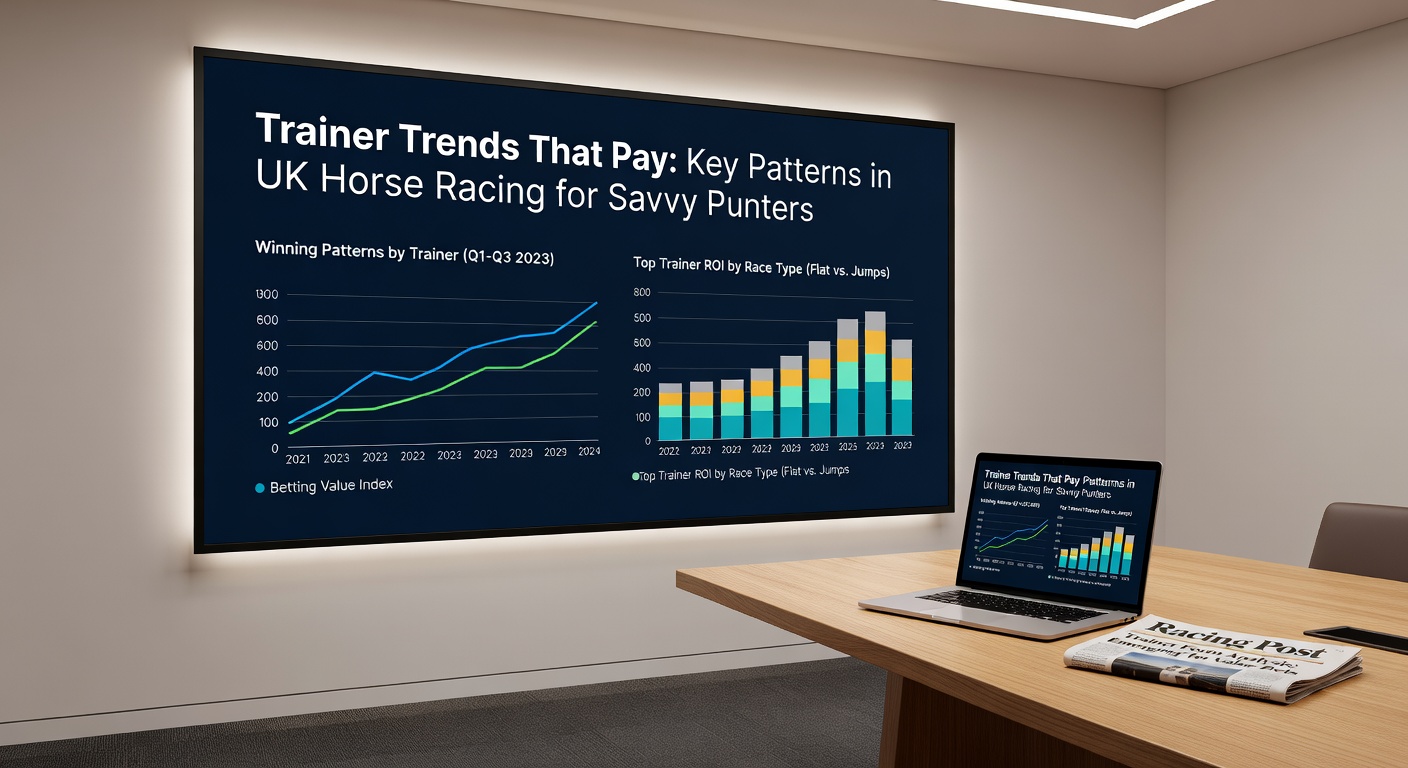
Trainer patterns in UK racing persist because they stem from stable routines, track knowledge, and horse suitability, with data affirming their reliability across flat and jumps; punters who catalog these—be it Burke's AW sprints or Nicholls' heavy-ground jumps—position themselves for consistent edges, especially as 2026's April cards loom with festival potentials amplifying the plays.
Figures show followers of top profiles achieve 15-20% ROIs long-term, a testament to the power when savvy tracking meets the track; it's not rocket science, but diligence in dissecting the signals that separates steady profits from sporadic wins.