UK Gambling Evolution Accelerates Through Mobile Innovations and Fresh Regulatory Shifts Across Britain
Ulrich Richter · Jul 21, 2026

UK Gambling Commission Sets Staged Rollout for Financial Risk Assessments in Online Gambling
The UK Gambling Commission announced a streamlined and staged rollout of financial risk assessments for high-spending online gamblers, with the goal of identifying and supporting those who may face financial difficulty. Thresholds trigger checks at spending levels over £1,000 in any 24-hour period or £3,000 across 90 days, although initial implementation begins with higher thresholds for customers aged over 25 at larger operators. This approach allows operators time to adjust systems while focusing resources on the most significant cases first.
Observers note that the phased structure builds on existing customer interaction requirements yet introduces more structured data checks. The Commission has outlined that checks draw from credit reference agencies and other financial indicators to flag potential harm without disrupting routine play for most users. Implementation timelines spread across multiple stages, with full application expected to expand gradually through 2026 as smaller operators and lower thresholds come into scope.
How the Assessment Process Works
Operators must conduct these assessments when customer activity crosses the defined spending thresholds, and the results inform decisions about continued play or support interventions. Data sources include open banking records where available alongside traditional credit files, which gives a clearer picture of disposable income and existing financial commitments. Those who have studied similar systems in other regulated markets know that early flagging often leads to tailored messages, deposit limits, or referrals to support services rather than outright blocks.
The staged approach means larger operators handling the highest volumes of remote bets start with elevated spending triggers, while over-25 customers receive the initial focus. Younger adults remain subject to tighter scrutiny from the outset because research shows elevated vulnerability in that age group. July 2026 marks a key milestone when many operators must demonstrate full compliance across a broader range of thresholds, allowing the Commission to review outcomes before lowering limits further.
Industry Response and Market Concerns
The Betting and Gaming Council responded to the announcement by expressing disappointment over the potential for increased migration to unregulated platforms. Council representatives highlighted that abrupt changes in verification speed or deposit friction could push some customers toward offshore sites that operate without the same consumer protections. Figures from previous regulatory shifts indicate that black market activity tends to rise when friction points appear in the licensed sector, although precise projections remain limited at this stage.
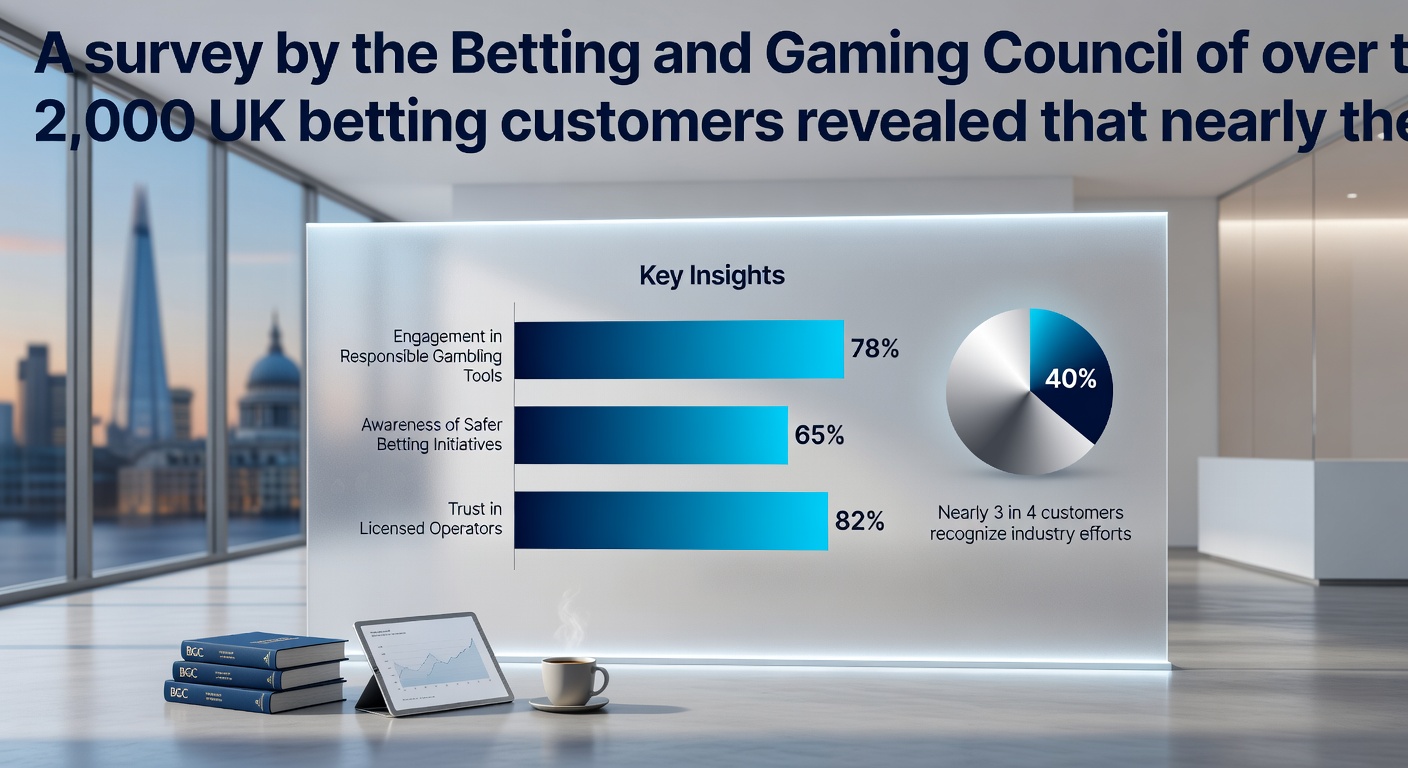
Operators have already begun updating their internal systems to integrate the new data requirements, with many testing automated workflows that combine transaction monitoring and external credit pulls. The Commission has made clear that the assessments remain proportionate, applying only to a small percentage of the overall customer base who exhibit elevated spending patterns. Data from pilot exercises conducted earlier this year revealed that the majority of flagged accounts received support messages rather than account restrictions, which aligns with the Commission's stated aim of early intervention over punitive measures.
Timeline and Broader Regulatory Context
Rollout phases begin immediately for the largest remote betting firms, with subsequent waves incorporating mid-sized operators and eventually the full market. The Commission has scheduled periodic reviews after each stage to assess effectiveness and adjust thresholds if necessary. Those who've tracked UK gambling regulation over recent years recognize this pattern of iterative tightening, where initial high thresholds give way to broader coverage as technology and data quality improve.
According to the official announcement, the measures complement existing affordability workstreams and do not replace operator obligations to interact with customers showing signs of harm. The staged model also provides smaller operators additional preparation time, reducing the risk of compliance gaps that could otherwise emerge during a single nationwide deadline. External links to the full details appear on the Commission's site for those seeking the precise wording of the guidance.
Conclusion
The announcement represents a measured evolution in how the UK Gambling Commission addresses financial risk within the licensed online sector. By starting with higher thresholds for over-25 customers at major operators and expanding gradually toward July 2026, the regulator balances consumer protection goals with operational practicality for businesses. The Betting and Gaming Council's concerns about potential black market shifts remain on record, yet the Commission continues to emphasize that the framework targets only the highest-spending accounts. Observers expect ongoing monitoring to reveal whether these checks achieve the intended balance between safeguarding players and maintaining a competitive licensed market.